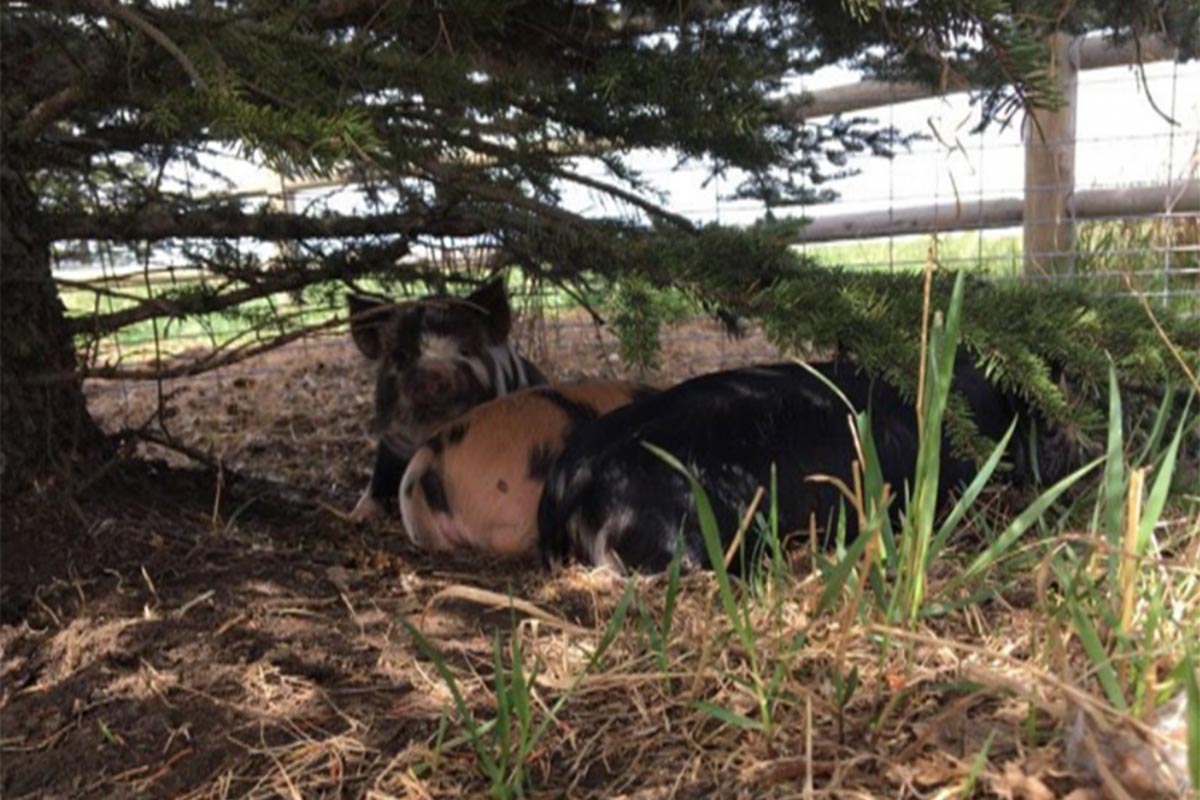

LIMPING/LAME PIGS:
Pigs can limp or become lame for a variety of reasons: injury, infections, conformation, nutritional problems, or inflammation.
Let’s look at a few common causes for pigs at different stages:
Piglets: laid on by sow, joint infections after castration/processing, sepsis from underlying illness, splay leg piglets
Grower Pigs: injury from playing rough or getting limbs caught in fences/feeders, feet problems from overly soft wet paddocks, soil borne septic arthritis, nutritional deficiencies, contagious/stress induced infection from mixing new pigs
Sows/Boars: conformational problems, nutritional problems, hooves in need of trimming, obesity, soil borne septic arthritis, slipping on ice, mating injuries
Pets/Senior Pigs: obesity, old age arthritis, hooves in need of trimming
PREVENTION:
- Have proper piglet housing/processing techniques
- Keep pigs up to date on vaccinations (Eg. for erysipelas, a soil borne pathogen)
- If breeding animals, select animals with good feed and legs to breed
- Prevent disease spread by limiting mixing pigs from various sources. Avoid buying pigs at auction marts.
- Keep pens/paddocks dry with good footing. Manage ice to prevent slipping during the winter.
- Feed a balanced ration. Do not let animals become obese.
- Regular hoof trimming for breeding stock/old pets.
- Extra TLC for seniors!
TREATMENT:
- Identify injured/lame animal – separate if possible.
- Provide deeper bedding and easy access to food and water.
- Examine animal (identify if 1 limb or multiple).
- Assess pig for any heat, swelling, open wound, overgrown hooves, other signs (weight loss, cough, off feed, fever, etc)
- Treatment with NSAIDS (pain killers) and or antibiotics may be warranted.
- With multiple lame/injured pigs, contact a veterinarian for further investigation.
- For untreatable issues, on farm salvage slaughter or humane euthanasia may be considered.
***WARNING***:
Any lesions causing lameness in pigs that look like vesicles or blisters around the hooves or snout could be a serious foreign animal disease. ALWAYS contact a veterinarian if you see anything like this.
You can find more information at health and wellness